Racing Heritage

Talbot Lago in Motorsport

From the golden age of Grand Prix racing to the grueling endurance of the 24 Hours Le Mans, Talbot Lago proved that elegance and speed were not mutually exclusive.

The Pre- and Post-War Dominance

Grand Prix Racing

Talbot-Lago established itself in pre-war Grand Prix racing with competitive race cars that challenged the dominance of German and Italian manufacturers. However, it was in the aftermath of World War II that the brand truly made its mark.

The Talbot-Lago T26C

One of the last great naturally aspirated Grand Prix cars, this model stood out in the post-war era where most competitors were shifting to supercharged engines. It featured:

Power

A 4.5L inline-six producing over 260 hp, giving it an edge on circuits that favored reliability and endurance.

Agility

A light yet sturdy chassis, making it one of the most agile cars on the track.

Competition

Competed against legendary names like Ferrari, Maserati, and Alfa Romeo in early Formula One events.

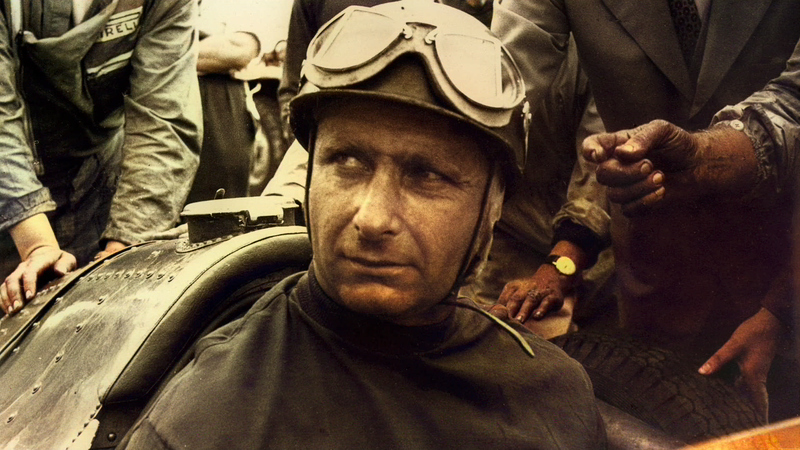
Juan Manuel Fangio & Talbot-Lago

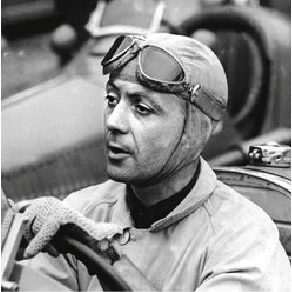
Juan Manuel Fangio in racing helmet and goggles

One of the greatest drivers of all time, Juan Manuel Fangio, piloted the Talbot-Lago T26C during the 1950 and 1951 Formula One seasons, showcasing his exceptional skill behind the wheel of a machine built on engineering excellence. In 1950, Fangio delivered a remarkable performance at Monaco, securing a podium finish while competing against the era’s most formidable factory-backed teams. His time with Talbot-Lago further cemented the marque’s reputation for precision, speed, and resilience on the world’s greatest racing stages.

His success with the car highlighted the chassis' balance and handling, proving it could still compete at the highest level. While he later moved to Alfa Romeo and Ferrari for his championship runs, Fangio's stint with Talbot-Lago helped solidify the marque’s presence in early F1 history. Though eventually overtaken by mid-engine and supercharged competitors, the T26C remains one of the most remarkable Grand Prix cars of its era.

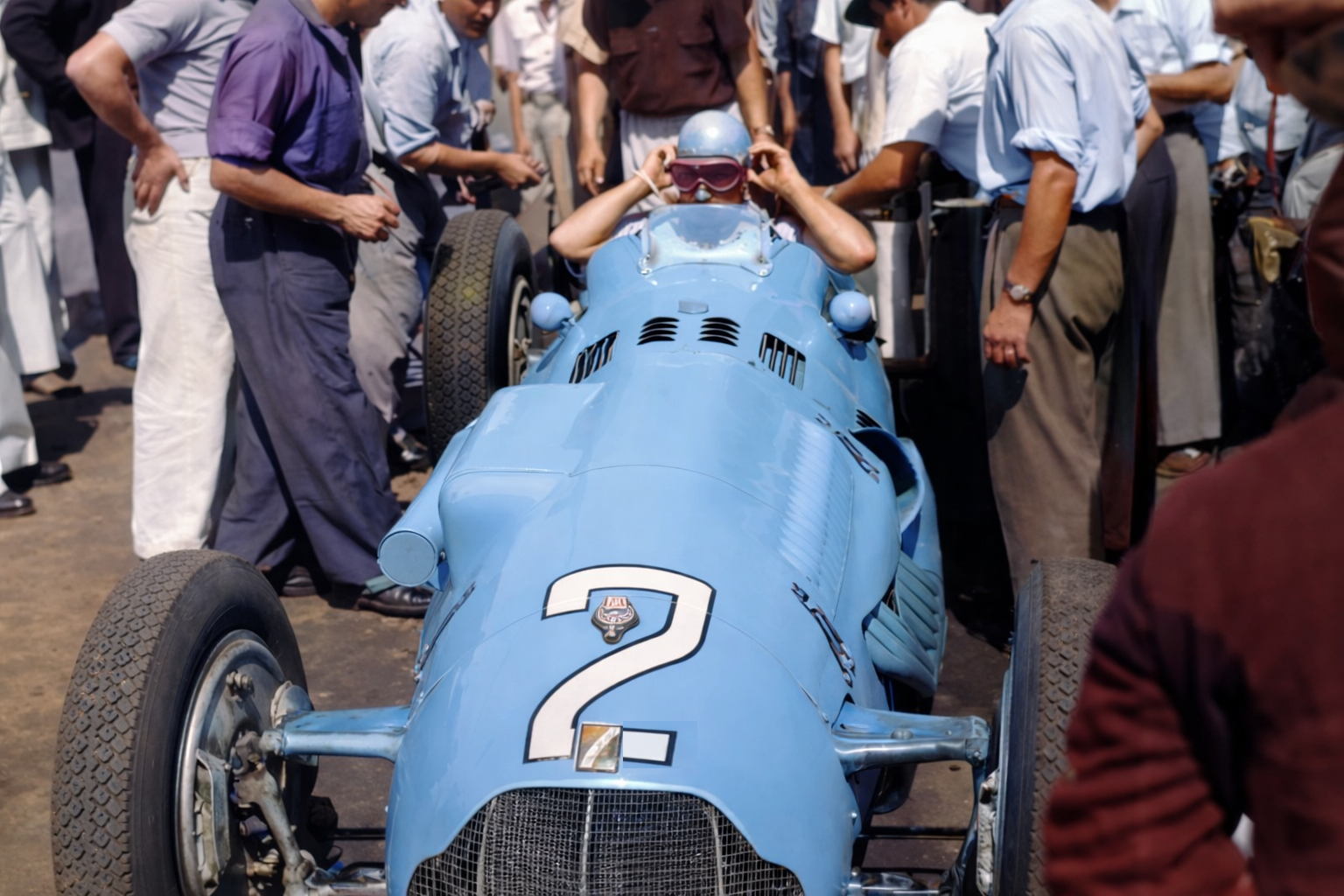
Talbot-Lago racing cars lined up on the starting grid

The Icons Behind the Wheel

Pilots & Champions

Talbot-Lago cars were driven by some of the most skilled and daring pilots in motorsport history. Their victories cemented the brand’s status as a racing powerhouse.

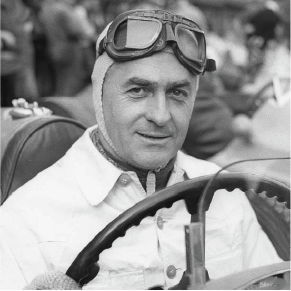
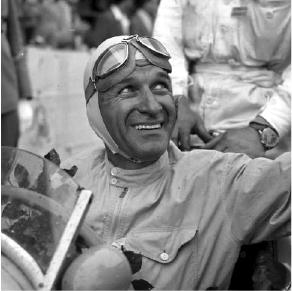
Louis Rosier

Louis Rosier

The hero of Talbot-Lago racing. His legendary 1950 Le Mans victory is still one of the greatest solo endurance feats in history.

A consistent podium finisher in Grand Prix and endurance racing, Rosier carried the Talbot-Lago banner against Ferrari, Alfa Romeo, and Mercedes-Benz.

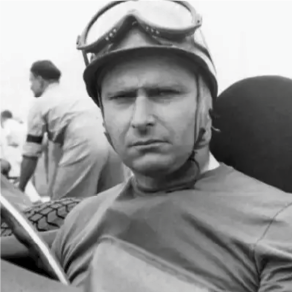
Juan Manuel Fangio

Juan Manuel Fangio

Before becoming a five-time Formula One World Champion, Fangio raced a Talbot-Lago T26C in the 1950 and 1951 Formula One seasons.

He demonstrated the car’s capabilities in Monaco and other circuits, proving that Talbot-Lago could still compete against the top teams of the era.

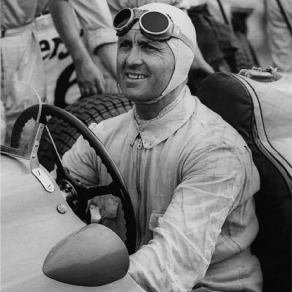
Pierre Levegh

Pierre Levegh

Another French racing legend who piloted Talbot-Lago cars in Le Mans and Grand Prix events.

Known for his tenacity and technical knowledge, he pushed Talbot-Lago machines to their limits in the toughest races.

Raymond Sommer

Raymond Sommer

A fearless driver who was instrumental in proving Talbot-Lago’s performance in post-war racing.

Competed in multiple Formula One events with the Talbot-Lago T26C.

Louis Chiron

Louis Chiron

A racing legend known for his skill and endurance, Chiron competed in the 1950 F1 season with a Talbot-Lago T26C. He remains the oldest driver to start an F1 race at 55.

A dominant force before and after WWII, his legacy endures, immortalized by Bugatti, which named its modern hypercar, the Chiron, in his honor.

What Made Talbot-Lago Competitive?

Engineering Marvels

Unlike many competitors, Talbot-Lago succeeded in racing without the backing of a massive factory team. Instead, its cars relied on:

Naturally-aspirated power

In an era where many relied on forced induction, Talbot-Lago’s inline-six engines were simpler, more reliable, and easier to maintain over long distances.

Superior fuel efficiency

At Le Mans, Talbot-Lago cars often outlasted their rivals by consuming less fuel, allowing for fewer pit stops and maintaining consistent speed.

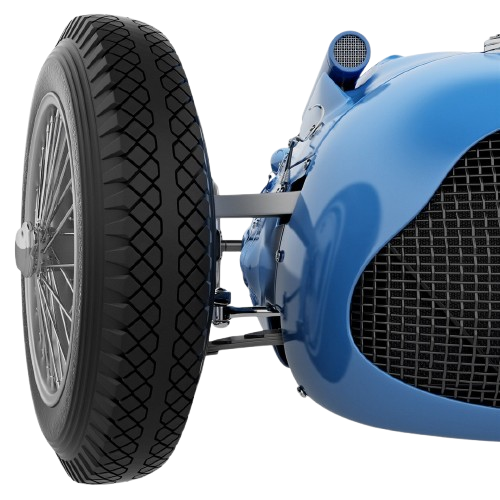
Talbot-Lago Grand Prix car wheel and suspension detail

Lightweight construction

Thanks to advanced chassis design, Talbot-Lago cars had an excellent power-to-weight ratio, making them highly competitive on races.

Innovative suspension

The use of independent front suspension (ahead of its time) gave Talbot-Lago an advantage in cornering stability and tire management.

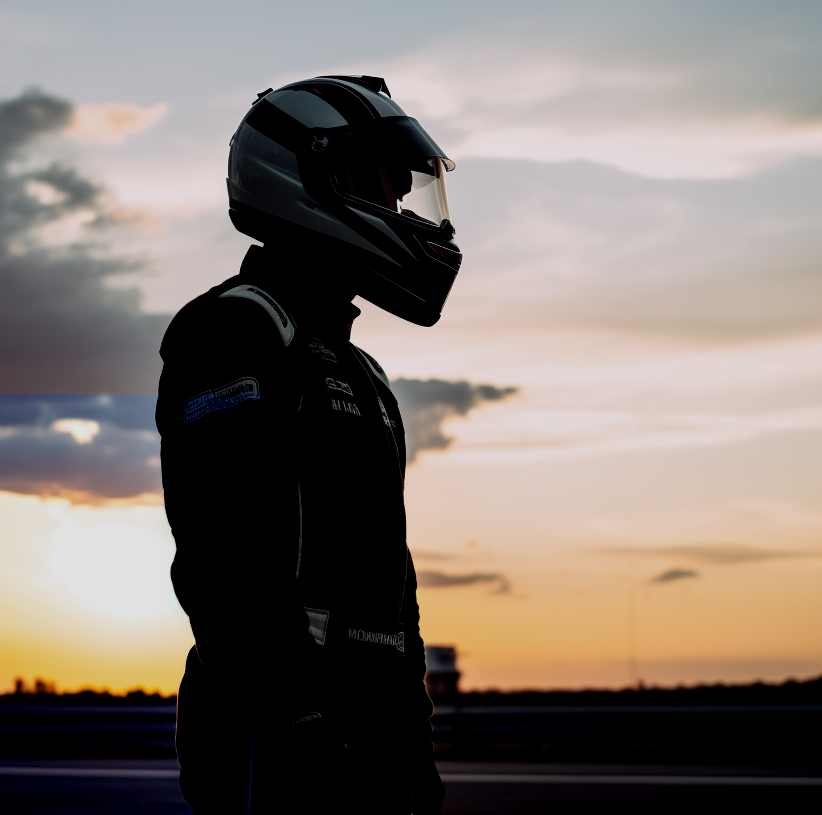
Driver silhouetted against the sky beside a Talbot-Lago racer

The Legacy in Motorsport

Though Talbot-Lago eventually faded from the racing scene by the mid-1950s, its influence left a permanent mark on motorsport history. The T26C and T26 GS remain some of the most respected classic racing machines, and the brand’s engineering innovations paved the way for future endurance and Grand Prix designs.

Juan Manuel Fangio’s early career with Talbot-Lago further proves the brand’s influence on some of racing’s greatest names.

Today, we are reviving this legendary spirit. The precision, passion, and innovation that made Talbot-Lago a racing icon will now fuel the next generation of hypercars. The race is far from over.

The legend continues.

The Idea Behind Talbotlago Mondial

Every marque has a beginning, but only a few leave a legacy that endures through generations. Explore the defining moments, remarkable achievements, and timeless craftsmanship that shaped Talbot-Lago into one of the most celebrated names in automotive history. From the racing circuits of Le Mans to the concours d'elegance of Pebble Beach, our creations have always stood as testaments to the marriage of art and engineering.

Every marque has a beginning, but only a few leave a legacy that endures through generations. Explore the defining moments, remarkable achievements.