The Artistic Legacy of Talbot-Lago

For nearly a century, Talbot-Lago stood as a symbol of automotive artistry, engineering excellence, and racing prestige. From the sweeping curves of the T150C Teardrop to the dominance of the Grand Prix T26, the marque defined an era where performance met elegance. It was a brand built on passion—crafting machines that were not just cars, but rolling sculptures of speed and sophistication.
01/ 03

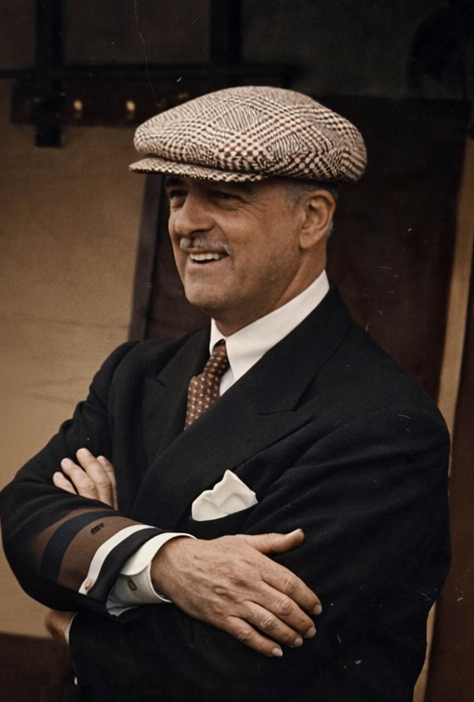
Portrait of Antonio "Anthony" Lago

Anthony Lago - The Visionary

In 1934, an Italian-born engineer and businessman, Antonio "Anthony" Lago, took control of the French Talbot operation. With a background in engineering and a deep passion for automotive performance, Lago envisioned something greater than just producing cars

"He wanted to create masterpieces that blended power, beauty, and craftsmanship."

Under his leadership, Talbot became Talbot-Lago, a reborn marque with a renewed focus on luxury grand tourers and motorsport excellence. Lago introduced cutting-edge engineering innovations, including high-performance inline-six engines, independent suspension systems, and aerodynamic designs that set new benchmarks in the industry.

Explore Our Heritage

Art-Deco Elegance Meets Racing Innovation

What set Talbot-Lago apart was the perfect marriage of aesthetic beauty and mechanical brilliance. Unlike other manufacturers, Talbot-Lago didn’t just build cars; they sculpted them.

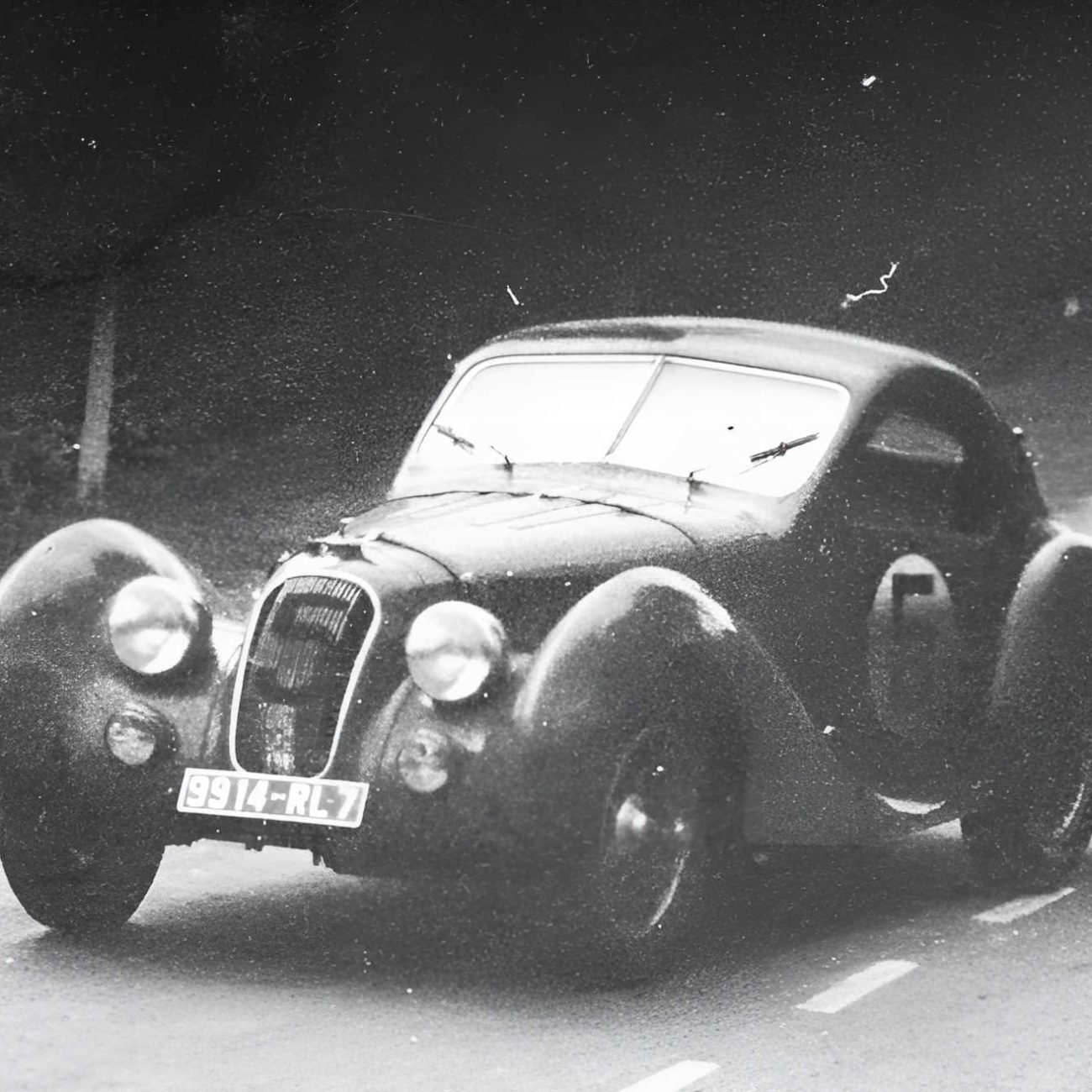
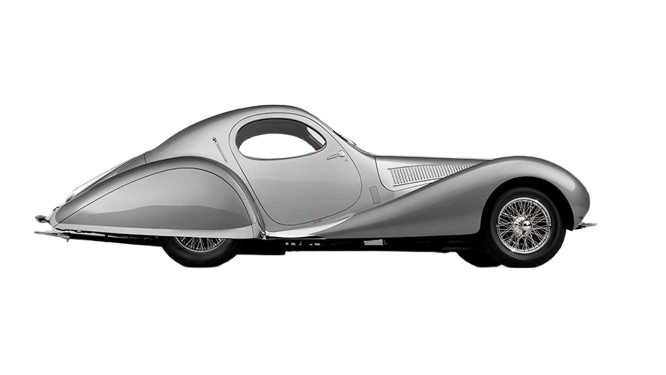
Talbot-Lago T150-C SS Teardrop coupé in profile

The Art-Deco Influence

Sculptural elegance transforming automobiles into moving art.

Talbot-Lago’s iconic aesthetic was defined by renowned coachbuilders, such as Figoni et Falaschi, Saoutchik, and Carrosserie Franay, who embraced the avant-garde Art Deco design movement. Working with Talbot-Lago’s powerful chassis, they crafted bespoke bodies, with sweeping, sculpted lines, adorned with extravagant chrome detailing, and fitted with luxurious interiors — transforming each car into a rolling work of art.

Pioneering Engineering

Advanced technology concealed beneath breathtaking design.

Beneath their sculpted exteriors, Talbot-Lago cars housed some of the most sophisticated technology of their time. Models like the T150C-SS featured a lightweight chassis, powerful 4.0L and 4.5L inline-six engines, and groundbreaking independent front suspension, making them formidable both on the road and the racetrack.

Racing Dominance

Beauty with power, challenging motorsport's greatest names.

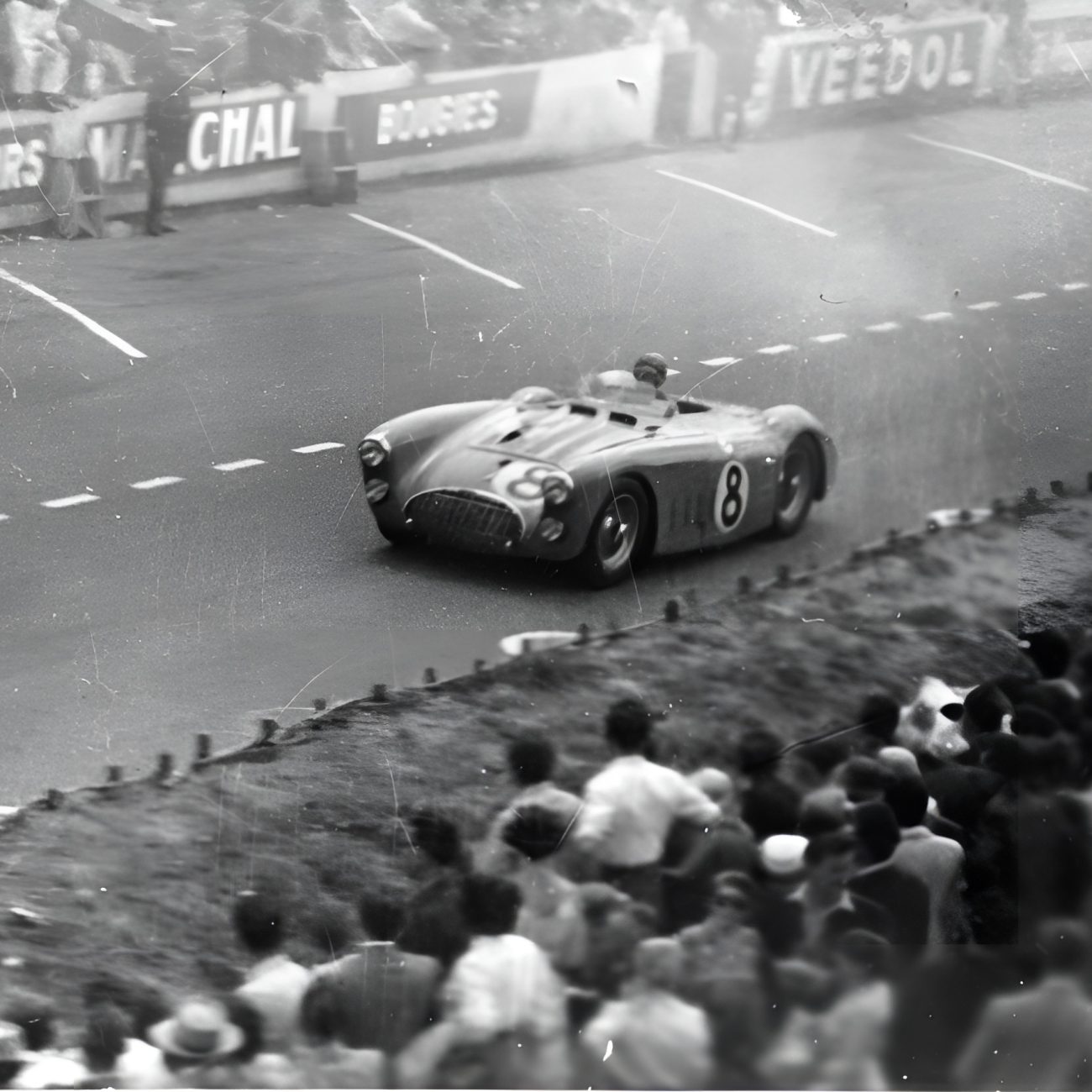
While Talbot-Lago cars were celebrated for their elegance, they were also formidable in motorsports. The Talbot-Lago T26 Grand Prix and T26C became legends in post-war racing, taking on the likes of Ferrari, Maserati, and Alfa Romeo in Formula One and endurance events.

Notable Achievements

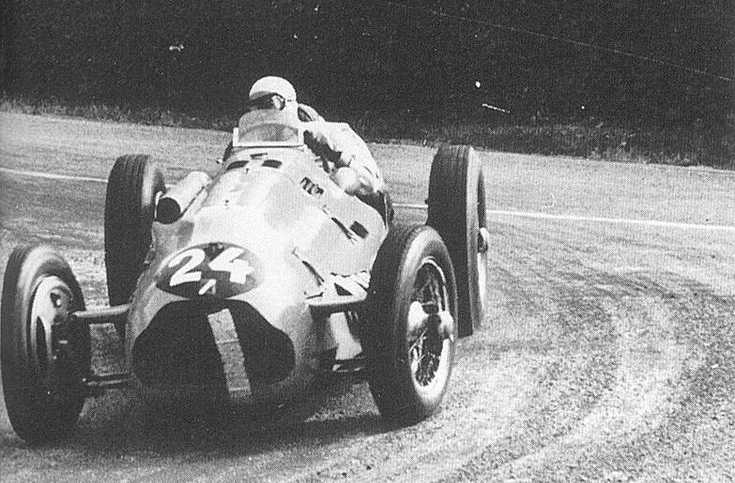
1949 Belgian Grand Prix — Talbot-Lago T26C

1949 Belgian Grand Prix

Louis Rosier took victory in a T26C, proving Talbot-Lago’s resilience against major factory-backed teams.

1950 French Grand Prix — Talbot-Lago single-seater

1950 French Grand Prix

Rosier finished second, showcasing the car’s reliability in a full-length Grand Prix.

1950 World Championship — Talbot-Lago privateer entry

1950 World Championship

Talbot-Lago was one of the few privateer-friendly options in early Formula One, running multiple customer teams.

The Idea Behind Talbotlago Mondial

Every marque has a beginning, but only a few leave a legacy that endures through generations. Explore the defining moments, remarkable achievements, and timeless craftsmanship that shaped Talbot-Lago into one of the most celebrated names in automotive history. From the racing circuits of Le Mans to the concours d'elegance of Pebble Beach, our creations have always stood as testaments to the marriage of art and engineering.

Every marque has a beginning, but only a few leave a legacy that endures through generations. Explore the defining moments, remarkable achievements.